


Feast of Tabernacles - Sermons, Bible Studies, Articles, and Essays
What Makes for a Good Feast of Tabernacles?
Sermonette by David C. GrabbeThe Feast of Tabernacles is a memorial of transitoriness and complete dependence on God, and its temporary dwellings (sukkah) are its central point. Nehemiah 8 shows returned exiles, grieved over their failures and hungry for God's Word, building booths and keeping the Feast with great gladness as it had not been kept sinc
The Feasts of Tabernacles and Unleavened Bread
Feast of Tabernacles Sermon by David C. GrabbeThe Feast of Tabernacles mirrors the Feast of Unleavened Bread in a chiastic pattern: a one-day feast followed by a seven-day feast at the year's start, and a seven-day feast followed by a one-day feast at its end. Comparing the two reveals shared and contrasting lessons, all centered on Christ. Both last seven days, and Tabernacle
Feast of Tabernacles Basics
Feast of Tabernacles Sermon by Richard T. RitenbaughThe Feast of Tabernacles combines two symbols that must be held together: harvest and pilgrimage. As the Feast of Ingathering (Exodus 23, Deuteronomy 16), it is a time of gratitude and rejoicing for what God has given, marked by offerings. As Tabernacles (Leviticus 23, Nehemiah 8), the temporary booths remind God's people that they
Ecclesiastes and the Feast of Tabernacles (Part 1)
Sermon by John W. RitenbaughThe Feast of Tabernacles is commonly taught as picturing the Millennium, but the Bible's direct instruction centers on the booths (Leviticus 23:39-43), which depict temporariness and pilgrimage. God made Israel dwell in booths after leaving Egypt, and no one would choose such a flimsy, quickly deteriorating dwelling. The lesson is
Fearing God at the Feast (Part One)
CGG Weekly by David C. GrabbeThe Feast of Tabernacles is the most anticipated event of the year, offering both physical enjoyment and spiritual fulfillment. Faithful tithing provides extra means for good food, activities, and fellowship, while the full seven days commanded in Deuteronomy 16:13 bring an abundance of the year's best spiritual food through sermon

Amos 5 and the Feast of Tabernacles
'Personal' from John W. RitenbaughThe Feast of Tabernacles is enjoyable physically, but it is meant to be the year's spiritual high-water mark, not a vacation or a godly substitute for Christmas. Deuteronomy stresses rejoicing, yet the larger biblical picture shows a deeper purpose. The offerings required at Tabernacles exceed those of all other festivals combined,
Fearing God at the Feast
Sermonette by David C. GrabbeWe must fear God in order not to fear man. Fearing God plays a large part in the proper observance of Feast of Tabernacles.
Amos 5 and the Feast of Tabernacles
Sermon by John W. RitenbaughGod expects the Feast of Tabernacles to be the spiritual high of the year, both a spiritual and a physical feast whose fruit is rejoicing. The seven days plus the Eighth Day must all be kept, and the offerings required (Numbers 29) exceed those of all the other feasts combined. Since offerings signify worship, more is required spir
Jesus in the Feasts (Part Five): Tabernacles
Feast of Tabernacles Sermon by Richard T. RitenbaughThe Feast of Tabernacles holds a significant place among the holy days, pointing us to Christ and His role as our eternal, abiding place. In this sacred time, He is our tabernacle, our home. As commanded in Leviticus 23:33-42, God instructed the children of Israel to dwell in booths during the Feast, reminding them of His provision
Ecclesiastes and the Feast of Tabernacles (Part 2)
Sermon by John W. RitenbaughThe Feast of Tabernacles holds a significant place in understanding the purpose and message conveyed through Solomon's experiences. The Jews assigned the reading of Ecclesiastes during the Feast of Tabernacles, recognizing a connection between the book's purpose and the essence of this feast. The Feast of Tabernacles presents a con

From Both Sides Now and the Feast of Tabernacles
Feast of Tabernacles Sermon by Mark SchindlerOn this wonderful Sabbath, the third day of the Feast of Tabernacles 2024, we gather as God's set-apart people in Myrtle Beach and various sites around the world where He has placed His name. We have made this pilgrimage in reverential fear of God to learn to more faithfully do the works of the law as He reveals them to us. This is
Fearing God at the Feast (Part Two)
CGG Weekly by David C. GrabbeThe Feast of Tabernacles carries a command to rejoice, set within the context of living in temporary dwellings and remembering the pilgrimage of the children of Israel through the wilderness. Several elements define this Feast, including the second tithe and its harvest festival nature, the temporary dwellings reminiscent of Israel
God's Way of Give at the Feast of Tabernacles
'Ready Answer' by StaffFar from being merely a period of physical feasting or indulgence, the Feast of Tabernacles is fundamentally a time of giving. God commands His children to give to family, employees, ministers, strangers, orphans, widows, and the church during this period. Even in financially tight years when managing Feast expenses is challenging,
Holy Days: Feast of Tabernacles
Bible Study by Richard T. RitenbaughThe Feast of Tabernacles pictures the Millennium, a time when the whole earth will rest under the reign of Christ. During this period, survivors of all nations will be gathered, and Jesus Christ will appoint the resurrected saints to rule over them. People will be required to go to Jerusalem for the Feast of Tabernacles to worship
Deception, Idolatry, and the Feast of Tabernacles
Sermon by John W. RitenbaughThe Feast of Tabernacles holds a significant place in the framework of God's plan, providing insight into the direction of history and shaping the lives of those who observe it. It is an integral part of God's purpose, and after the return of Jesus Christ, every nation on earth will be required to keep this feast, as highlighted in
The Feast Is Coming!
CGG Weekly by John O. ReidAs the Feast of Tabernacles approaches, we anticipate the longed-for high point of the year, an opportunity to meet where God will be and to hear His Word. It is not merely a chance to escape mundane work or seek entertainment, but a time to gather before God, prioritizing His messages and fellowship with members of His Family over
Fearing God at the Feast (Part Three)
CGG Weekly by David C. GrabbeThe Feast of Tabernacles, as outlined in Leviticus 23:40-43, encompasses four key elements that reflect God's faithfulness, a central theme of the celebration. The first element involves the second tithe, tied to the Feast as a harvest festival, while the second highlights temporary dwellings, recalling Israel's wilderness journey.
The Feast: Vacation or Holy Time?
CGG Weekly by Mark SchindlerThe Feast of Tabernacles is a significant holy time that God has set apart for our benefit and to His honor and glory. It is not merely a vacation, though it includes aspects of being away from home, free from work or school, with extra money, staying in hotels, eating out, and engaging in unusual activities. Its purpose, however,
Tabernacles and Unleavened Bread (2019)
Sermonette by David C. GrabbeThe Feast of Tabernacles is a memorial that helps establish the right memories, keeping us pointed in the right direction. It involves staying in temporary dwellings to remember that God made Israel dwell in booths when He brought them out of Egypt. The Feast serves as a reminder of transitoriness, impermanence, and complete depend
Going Up to Rejoice at the Feast
Article by Ryan McClureThe Feast of Tabernacles, commanded in Leviticus 23:33-40, pictures the Millennium, a time of restoration and healing very unlike today's troubled headlines. God's command to "rejoice before the LORD your God for seven days" can be hard to obey amid trials, but it requires shifting perspective upward and forward to God's own view o
Rejoice at the Feast
Sermonette by Mike FordTwo weeks from now, we will be headed to San Antonio to observe the Feast of Tabernacles. As commanded in Deuteronomy 16:13-14, we shall observe this feast for seven days after gathering from the threshing floor and winepress, rejoicing together with our sons, daughters, servants, Levites, strangers, fatherless, and widows. We are

Preparing for the Feast
'Personal' from John W. RitenbaughThe Feast of Tabernacles holds a cherished place in the hearts of those in God's church, marking a vibrant culmination of the year that energizes us for the challenges ahead. It blends spiritual and physical fulfillment, eagerly anticipated with a hope for joy surpassing any other occasion. Yet, it remains largely unknown to the wo
Make This the Best Feast Yet
Sermonette by Hunter D. SwansonWe need to strive to have the 'best Feast ever' attitude as we approach the Feast. The quality of the Feast increases as we serve others.
Teachings From Tabernacles (2021)
Feast of Tabernacles Sermon by David C. GrabbeThe Feast of Tabernacles, also called the Feast of Ingathering, is first mentioned in Exodus 23 as a harvest festival, evoking thoughts of abundance and respite from labor with a focus on the fruit of one's labors. This harvest theme is reiterated in later passages, emphasizing a personal application where the fruit God is most int
Feast: Command of God?
Sermonette by Ronny H. GrahamKeeping God's annual Sabbaths are just as much a mandate on God's people as keeping the Ten Commandments.

Teachings from Tabernacles
Feast of Tabernacles Sermon by David C. GrabbeThe Feast of Tabernacles, also called the Feast of Ingathering, is first mentioned in Exodus 23 as a harvest festival, marking the time when crops are gathered from the field, evoking thoughts of abundance and a break from labor. It is a time to celebrate the fruit of one's labors, reflecting the agricultural harvest that Israel wa
Rejoice in God's Feast
Sermon by John W. RitenbaughThe Feast of Tabernacles holds a significant place among God's commanded observances, emphasizing both rejoicing and sacrifice. God has established this feast with a purpose, not merely as a time of celebration, but as an occasion to reflect on His ways and to share the fruits of one's labor, both physical and spiritual. Historical
How to Have a Great Feast
Sermon by Richard T. RitenbaughThe Feast of Tabernacles holds a special place as a time of profound spiritual significance, a holy convocation called by God Himself. It is not merely a vacation or a church convention, but a sacred gathering where God places His name and presence among His people. These are His feasts, owned and directed by Him, where all worship

Sharing Our Lives at the Feast
Article by Mark SchindlerOne of the great blessings that God grants us each year is the command to observe His holy days, which provide for our needs in ways we may not fully comprehend. Among these, the Feast of Tabernacles stands out as a unique time, offering a whole week to dwell together in one place. This period allows us to spend extra time with oth
Amos 5 and the Feast
Sermon by John W. Ritenbaugh (1932-2023)The feasts of God are events we eagerly anticipate with great positivity. Even before they conclude, we are already planning for the next one, reflecting how much they mean to us as part of our fellowship with God. We are intended by Him to enjoy these annual occasions, alongside their spiritual purposes and rewards. However, cauti
That Great Day of the Feast
Sermonette by Ryan McClureIn the Millennium, God will call all nations of the world to Jerusalem to be taught by God, to receive His Holy Spirit to know Him and His way of life.

Jesus and the Feast (Part Two): Belief in the Spirit
Feast of Tabernacles Sermon by Richard T. RitenbaughDuring the Feast of Tabernacles, as highlighted in John 7, Jesus Christ Himself provided profound insights into the spiritual significance of this appointed time. The Feast of Tabernacles is a time to get in sync with God, setting aside worldly schedules to align with His purpose and plan, ensuring that we follow Him rather than ex

Jesus and the Feast (Part One): Alignment With God
Feast of Tabernacles Sermon by Richard T. RitenbaughThe Feast of Tabernacles holds a significant place among God's appointed times, though it receives limited mention in the four gospels. Among these, John's gospel provides the most insight, particularly in chapter 7, where Jesus is explicitly shown speaking and acting during this Feast. This chapter becomes a vital source for under
The Feast Brings Hope
Feast of Tabernacles Sermon by John O. ReidThe Feast of Tabernacles serves as God's way of giving us hope, year after year, as we navigate the pressures and challenges of this world. It reminds us of the future He has prepared, a time when we will be transformed and play a vital role in His plan. This Feast represents a thousand-year period during which we, as firstfruits c
Fall Feast Lessons
Sermon by John W. RitenbaughThe Feast of Tabernacles carries a profound connection to God's judgment and the reconciliation of all nations to Him. As depicted in Zechariah 14, all nations will come up to observe the Feast of Tabernacles, and God's judgment will be evident in this process. If a nation like Egypt fails to participate, God will issue a judgment
Seeking A New Home
Sermonette byThe Feast of Tabernacles holds significant meaning as it pictures the millennium, a time of peace and transformation during the millennial reign of Christ. This feast is often associated with messages about beating weapons into plowshares, reflecting the hope and wonder of that future era. While it is believed to represent the mill
As He Is Holy (Part Two)
CGG Weekly by Ronny H. GrahamLately, some have come to regard God's feasts as less than holy convocations. There are those who are not concerned about hearing the Feast of Tabernacles sermons live, believing they can just listen to them later online. Others insist that God expects attendance only on the two holy days of the fall Feast. Some keep the Feast on t
Whatever Your Heart Desires
'Ready Answer' by StaffEvery fall, God's people eagerly anticipate the fall holy days, particularly the Feast of Tabernacles. During this time, they travel to various destinations, stay in comfortable accommodations, enjoy abundant food and drink, and spend their second tithe on family and friends over approximately two weeks. This celebration aligns wit
Whatever Your Heart Desires
Sermonette by Ryan McClureGod's instruction to spend second tithe on 'whatever your heart desires' is not merely permission to enjoy His blessings; it is a revealing test.
Looking Back to the Future
Feast of Tabernacles Sermon by John W. RitenbaughThe Feast of Tabernacles is a time of vision, offering a measure of respect for God while providing comfort in knowing that He will work out things in our lives and others'. It is a period to rejoice before God within the framework of His purpose, even amidst trials and difficulties, maintaining a sense of good feeling because of t
Tithing: Second Tithe
Bible Study by Martin G. CollinsGod has ordained that His people keep His seven annual holy days and celebrate the Feast of Tabernacles in temporary dwellings at a place He chooses. He provides for our financial needs at the feasts by having us set aside a second tenth of our increase, known as the second tithe, so that we may enjoy joyous and abundant feasts wit
Whatsoever Your Heart Desires
Sermonette by Mark SchindlerWe must not construe the term, "whatever our heart desires," as a pass to sin, but we should use every occasion to grow in thinking and acting like God.
Are the Blood Moons Significant? (Part Three)
CGG Weekly by David C. GrabbeThe Feast of Tabernacles holds a significant connection to the first day of Unleavened Bread within the arrangement of God's appointed times, as both represent fulfillments of the covenant promises made to Abraham. While the Feast of Unleavened Bread shows Israel being delivered from Egypt and redeemed as a nation, the Feast of Tab
What We Can Learn from Booths
Feast of Tabernacles Sermon by Richard T. RitenbaughThe Feast of Tabernacles, also known as the Feast of Booths or Succoth, is a time to dwell in temporary shelters as God instructed, reflecting the impermanence of our earthly existence. This festival, observed for eight days starting on the fifteenth day of the seventh month, centers on the end of the harvest, a time to celebrate G

The Fall Holy Days
Article by John ReissGod instructs His people to keep the Feast of Tabernacles, as outlined in Leviticus 23, during the fall holy day season. This Feast, lasting eight days, symbolizes the prosperity and abundance of the Millennial reign of Jesus Christ on the earth, where unity and cooperation will expand to all mankind over a thousand years. God's co
Is 'I AM' Truly the Lord Your God?
Sermon by Mark SchindlerAs we approach the Feast of Tabernacles, we rest as He rested, recognizing this day as a gift from God, the very first opportunity He gives us to identify with Him and reflect our firm belief in the LORD our God. During the Feast of Tabernacles, our conduct serves as a living witness before all men, demonstrating how much we truly
How Do We Keep God's Festivals?
'Ready Answer' by Richard T. RitenbaughThe Feast of Tabernacles stands out among God's appointed times as a unique festival with specific instructions for observance. God commands that during this week, we live in tabernacles, booths, or other temporary dwellings, as outlined in Leviticus 23:40-43. While it is no longer required to gather boughs of specific trees from t
Why Are We Here? (2004)
Feast of Tabernacles Sermon by John O. ReidThe Feast of Tabernacles stands as the greatest and most joyous feast for God's people. For Israel, it was a time of celebration after hard labor, with crops stored for the coming year, offering a chance to rejoice before the Lord of all heaven and earth. They separated themselves from daily routines to give thanks for the bounty p
Going Up to the Mountain of the Lord
Sermonette by Ryan McClureGod commands us to rejoice during the Feast of Booths. We make a journey to where He has placed His name, imitating the joy God continually experiences.
Deuteronomy (Part 2) (1994)
Feast of Tabernacles Sermon by John W. RitenbaughGod commands the observance of the Feast of Tabernacles, along with His other holy days, so that His people may learn to fear Him. In Deuteronomy 31, it is specified that every seventh year, during this feast, the book of Deuteronomy is to be read and reviewed, emphasizing the importance of learning to fear the Lord. The Feast of T
Rejoice and Fear God
Feast of Tabernacles Sermon by John W. RitenbaughThe Feast of Tabernacles, as outlined in Deuteronomy 16:13-15, is a seven-day celebration to be observed after the harvest from the threshing floor and winepress. During this feast, all are commanded to rejoice—sons, daughters, servants, Levites, strangers, the fatherless, and widows—within the gates at the place chosen
The Handwriting Is on the Wall (2021)
Feast of Tabernacles Sermon by Mark SchindlerThe Feast of Tabernacles is a God-commanded assembly in which His people rejoice before Him, keep it seven days with a Sabbath on the first and a sacred assembly on the eighth, and dwell in booths so that each generation knows God made Israel live in booths when He brought them out of Egypt. It previews what He intends ultimately t
The Sabbath: Redemption
Feast of Tabernacles Sermon by Richard T. RitenbaughThe Feast of Tabernacles, as outlined in Leviticus 23:39-43, is a significant observance that ties closely to the themes of God's provision and redemption. On the fifteenth day of the seventh month, after gathering the fruit of the land, the feast is to be kept for seven days, with a Sabbath-rest on the first and eighth days. Durin
One Nation Under God (Part One)
Feast of Tabernacles Sermon by Martin G. CollinsDuring the time of Nehemiah, the rediscovery of God's law led to a profound spiritual renewal among the Jews, particularly evident in their observance of the Feast of Tabernacles. On the second day of the seventh month, the heads of the fathers' houses, priests, and Levites gathered to Ezra to understand the words of the law. They
Radiating the Glory of God
Feast of Tabernacles Sermon by Mark SchindlerWe have been allowed the privilege of knowing God now. We need to radiate the glory of God as Moses radiated the glory of God by having been in His presence.
Deuteronomy (Part 5)
Feast of Tabernacles Sermon by John W. RitenbaughThe Feast of Tabernacles holds a significant place in our spiritual journey, as it is a time when we are reminded of why we are here, seeking to grow in the grace and knowledge of God. We are in a position to learn to fear God through the concentrated experiences of instruction, fellowship, conversation, meditation, prayer, and ser
Do You Recognize This Man? (Part Seven)
Sermon by Richard T. RitenbaughThe Feast of Tabernacles, as outlined in Leviticus 23:33-36 and 23:39-43, is a seven-day feast to the LORD beginning on the fifteenth day of the seventh month, marked by a holy convocation on the first day and a sabbath-rest on both the first and eighth days. During these seven days, the Israelites are commanded to dwell in booths
His Own Vine and Fig Tree
Feast of Tabernacles Sermon by Richard T. RitenbaughThe Feast of Tabernacles carries profound significance in illustrating the relationship between God's people and the land, reflecting themes of temporary dwelling and future inheritance. As described in Leviticus 23:34-35, this feast begins on the fifteenth day of the seventh month and lasts for seven days, marked by a holy convoca

Ecclesiastes Resumed (Part Thirty-Two): Ecclesiastes 8:1-9
Feast of Tabernacles Sermon by Richard T. RitenbaughThe Feast of Tabernacles holds a significant place among the five festival seasons of the Hebrew year, each associated with divine grace as reflected in biblical numerology. This feast, occurring on the fifteenth day of the seventh month, is a seven-day celebration to the Lord, as detailed in Leviticus 23:33-43. During this time, t
John 7:37 Examined (Part One)
Feast of Tabernacles Sermon by John W. Ritenbaugh (1932-2023)The Feast of Tabernacles holds significant meaning among God's feasts and holy days, representing a distinct period of seven days as outlined in Scripture. It is clearly named in Leviticus 23:34 as beginning on the fifteenth day of the seventh month, lasting for seven days to the LORD. This feast symbolizes a time of rejoicing and
The Eighth Day (2019)
Sermonette by David C. GrabbeThe 8th Day, which closes the Feast of Tabernacles, is distinct from the seven days before it. Rejoicing and dwelling in booths are commanded only for seven days, and the offerings drop from 2 rams, 14 lambs, and multiple bulls daily to a single bull, one ram, and seven lambs. The meaning of the day emerges from the Hebrew root for
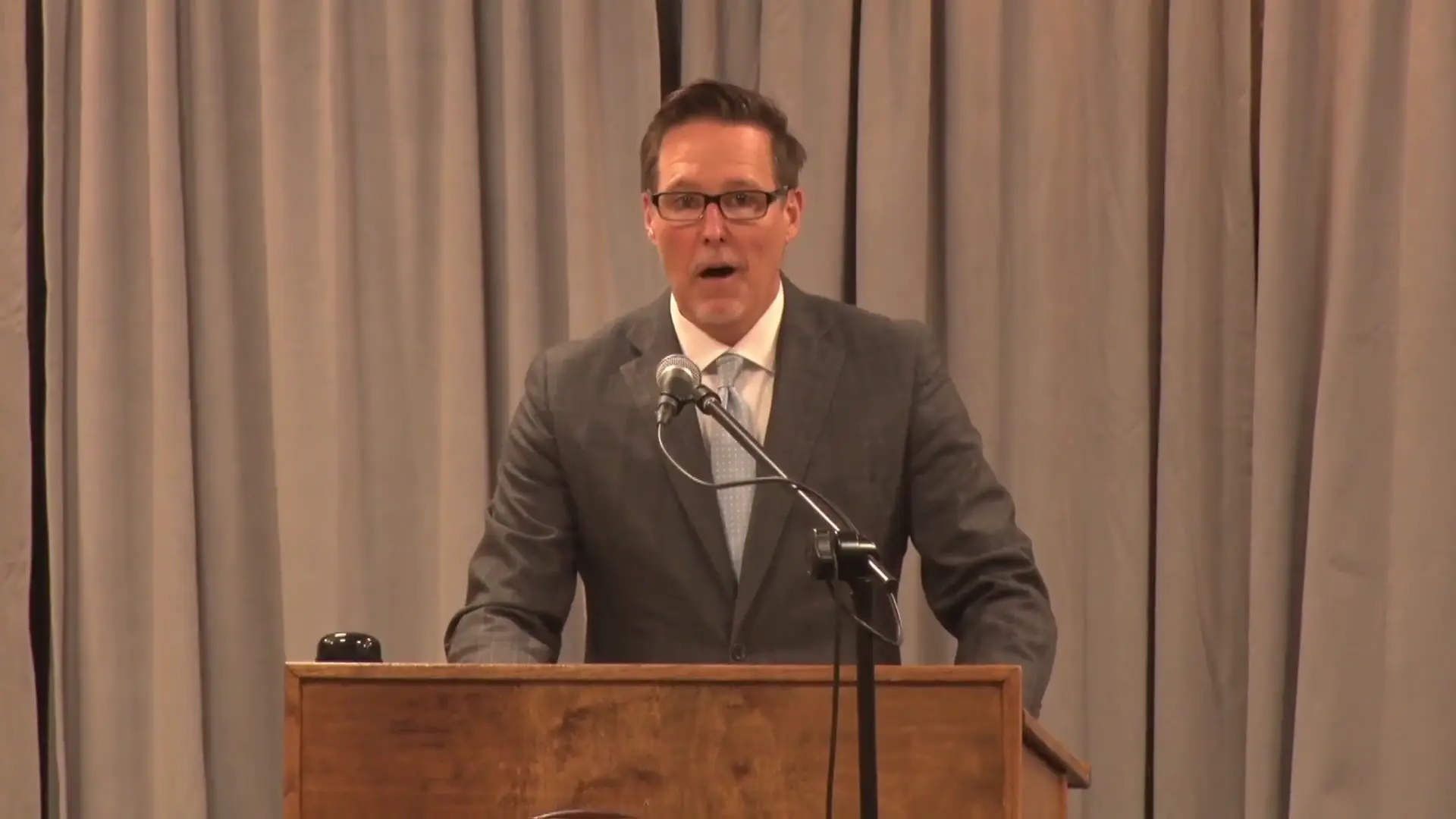
The Divine Paradox: Joy Through Sacrifice!
Feast of Tabernacles Sermon by Bill OnisickThe Feast of Tabernacles represents the apex of Israelite joy, characterized by a divine paradox where communal rejoicing is inextricably linked to sacrifice.
Our Awesome Destiny
Feast of Tabernacles Sermon by John W. RitenbaughThe Feast of Tabernacles serves as a significant annual observance, reflecting not only a major step in God's overarching plan but also providing a personal reorientation on life's fundamental questions: Where have I been? Where am I now? Where am I going with my life? God commands us to dwell in booths during this feast to remind
Are We Really Committed?
Sermonette by Mark SchindlerBrethren, we are gathered here at the Feast of Tabernacles this week to ensure that we do not falter in our commitment to God. This is our time to come with our second tithe to the place where God has put His name, to utterly destroy the false gods within ourselves, and to carefully inventory every aspect of our lives over the past
Common Tithing Questions
'Ready Answer' by StaffThe Feast of Tabernacles holds a significant place in the tithing system as observed by God's church. The second tithe, retained each year by the individual, is specifically designated to fund one's observance of God's holy days, with particular emphasis on the Feast of Tabernacles. This ensures that members have the necessary reso
Numbers (Part One): Journey in the Desert
Feast of Tabernacles Sermon by Richard T. RitenbaughThe Feast of Tabernacles stands as the primary festival of the fall season, the fourth season of the year, deeply rooted in the journey of the children of Israel to the Promised Land. This feast, observed on the fifteenth day of the seventh month, spans seven days as a time to rejoice before the Lord, involving holy convocations an