


Pagan Holidays - Sermons, Bible Studies, Articles, and Essays
Pagan Holidays
Bible Study by Martin G. CollinsThe Babylonian system, as described in Revelation 17, has attempted to change God's Sabbath and holy days by syncretizing them into corrupt worship and establishing their own counterfeit holidays. This world's pagan holidays are not sanctioned by God, and it is wrong to participate in their celebrations. Most of these holidays are

Is New Year's Eve a Pagan Holiday?
'Ready Answer' by Mike FordPagan holidays, such as New Year's Eve, have origins that true Christians should consider. The celebration of New Year's is described as pagan to the core by some, suggesting that true Christians should not participate in these festivities. The New Year, beginning in early spring, is mentioned by God only as a time marker and not a
Satan's Pagan Holy Days
Feast of Tabernacles Sermon by Kim MyersPagan Holidays Pagan holidays are celebrations rooted in ancient traditions that often involve customs and rituals not aligned with Christian beliefs. These holidays include New Year's, Christmas, Easter, Halloween, St. Valentine's Day, St. Patrick's Day, and birthdays. New Year's Celebration New Year's is one of the oldest and mos
Spirit and Truth
CGG Weekly by David C. GrabbeThe pagan origins of Christmas are easily researched and well-documented. December 25th has been a focal point of sun-worship for many millennia, long predating Christianity. The question arises, what business do we as Christians have in trying to Christianize something that has been blatantly anti-God from the very beginning? God
Celebrating a Lie
CGG Weekly by Richard T. RitenbaughThe celebration of Christmas on December 25 incorporates numerous elements that trace back to pre-Christian, heathen, and pagan traditions and practices. Items such as Rudolph the red-nosed reindeer, mistletoe, Christmas trees, Yule logs, twinkling lights, and stockings on the mantle are rooted in these ancient customs rather than

Cogitations on Christmas
Article by Richard T. RitenbaughChristmas is steeped in contradictions, many of which stem from its pagan origins. The celebration, often dated to December 25, aligns with the Roman winter solstice festival, Saturnalia, and was merged with a commemoration of Jesus Christ's birth in the early fourth century to ease new converts into Christianity. This blending of

'Tis the Season: Help for Our Young People
Article by StaffMembers of God's church do not celebrate Christmas or New Year's Day due to the absence of a biblical command to do so and the divine instruction to avoid pagan practices, which these holidays embody in abundance. Society seems to emphasize these holidays more than ever, possibly as satan works harder to distract God's people. The

When Was Jesus Born?
Article by John O. ReidWe are approaching the time of year when the world celebrates the supposed birth of Jesus Christ. Christmas, founded on the premise that Jesus was born on December 25, is based upon falsehood, as a person striving to follow the Bible will see. The true date of His birth destroys the entire foundation of the Christmas holiday. The C
The Rea$on for the Season
CGG Weekly by David C. GrabbeWhile this time of solstice celebrations is especially wearying to those called out of this world's paganism, it is not without the occasional gleam of ironic humor. If there is indeed a war on Christmas, then let Rome defend it, for it was Rome that co-opted the bacchanalia of the winter solstice and inserted the presumed birth of
Syncretismas!
Article by Martin G. CollinsNo Christian holiday is as misleading as Christmas, which is a quagmire of deceptive traditions rooted in pagan rites abhorrent to God. From its non-Christian background, Christmas emerges as a syncretistic blend of pagan practices and Christian themes. Its origins trace back to Babylon with Nimrod, a great grandson of Noah, and hi

So You Plan to Keep Christmas Now?
Article by Mike FordChristmas, often seen as a beautiful and harmless celebration with dazzling lights and greenery, hides a darker origin tied to pagan customs. When you erect a Christmas tree, hang a wreath, or place mistletoe, you are engaging in practices rooted in ancient fears of darkness and evil spirits. These early people used evergreens to w

The Plain Truth About Christmas
Herbert W. Armstrong BookletThe celebration of Christmas, often assumed to be a Christian holiday, has deep roots in paganism. It gravitated into the Roman Church from pagan customs in the fourth century, long after the time of Christ and the apostles. Historical authorities, such as the Catholic Encyclopedia and Encyclopaedia Britannica, confirm that Christm

Presumption and Divine Justice (Part One)
'Personal' from John W. RitenbaughHardly anything more clearly illustrates the self-deceived perverseness of human nature than its presumptuous additions of the observation of Christmas and Easter to the worship of the God of the Bible. That Jesus was born in Bethlehem of Judea is indisputable, but He was not born on December 25, nor did anybody exchange gifts on t
Bucking Tradition
CGG Weekly by Richard T. RitenbaughFor most people, it is a difficult undertaking to buck tradition, especially in holiday celebrations. This is particularly evident with religious holidays like Easter and Christmas, where the paganism and inaccuracies inherent in these observances are often ignored. As often and as forcefully as one might proclaim the truth about t
Christmas and Sun Worship
Sermonette by Mike FordChristmas, like many religious festivals in the so-called Christian world, is rooted in pagan traditions. A common thread runs through these celebrations, from Halloween to Easter, Mardi Gras to Valentine's Day, and even to Christmas, where pagan elements are evident. Satan has deceived the world into believing that observing these

Valentine's Day and Real Love
Article by StaffGod's people reject the celebration of Saint Valentine's Day due to its deep-rooted connections to pagan holidays. The origins of this day trace back to two ancient Roman fertility festivals: the Faunalia on February 13, honoring the god Faunus, and the Lupercalia on February 15, honoring the god Lupercus. These festivals, central

Halloween
Article by Richard T. RitenbaughEach year, as the last day of October nears, members of God's church make plans to avoid Halloween, a holiday steeped in pagan roots and unchristian practices. Halloween, deriving primarily from the Celtic festival of Samhain, was a New Year's celebration and harvest festival marked by the belief that the boundary between the physi
Crazy or Christmas
Sermonette byWhen we worship God, we must worship in spirit and truth. Is there any truth in Christmas? There is no truth offered in Harper's Bible Dictionary to support the observance of Christmas, and certainly no command in the Bible to support it either. This should tell us which spirit Christmas comes from, and it's not God's. Christmas, d

Christmas, Syncretism, and Presumption
'Personal' from John W. RitenbaughChristmas, a festival not mentioned in the Bible, serves as a striking example of the perversity of human nature, as many who claim Judeo-Christian roots celebrate it despite its pagan origins. Its global appeal, seen even in non-Christian nations like Japan with extravagant holiday decorations, highlights a commercial rather than

Does Paul Condemn Observing God's Holy Days?
'Ready Answer' by Earl L. HennThrough the centuries, theologians have devised arguments to do away with the observance of God's holy days, often targeting scriptures to support their views. In Galatians 4:9-10, Paul expresses frustration with the Galatians for returning to certain religious practices, calling them weak and beggarly elements and warning against
For the Love of the Truth
Sermonette by Ryan McClureChrist has never been in man's holidays, which are built on lies, and which teach children they cannot trust the veracity of their own parents.
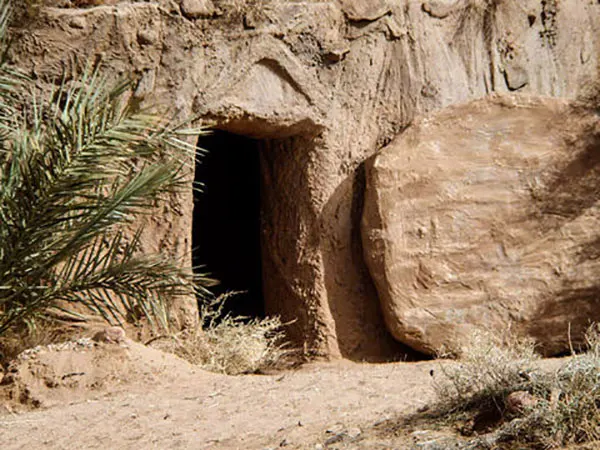
The Resurrection Was Not on Sunday
Herbert W. Armstrong BookletFor proof of the pagan origin of long-cherished days such as Easter and Christmas, it is evident that nowhere in the biblical record can sanctions for these holidays be found. The shocking truth remains that their roots lie outside the sacred scriptures, urging a reevaluation of the source of our religious beliefs and whether we ou
Truth-Based Worship Vs Spiritual Confusion
Sermon by Martin G. CollinsMany people, even after leaving God's church, return to celebrating Christmas, despite its well-known pagan origins. They willingly refuse to believe the truth, choosing instead to follow traditions rooted in lies, as their pleasure in unrighteousness blinds them to the reality of its deceptive nature. Christmas, a holiday flourish
Is Valentine's Day Really About Love?
Commentary by Martin G. CollinsToday, on God's Sabbath, His people worship Him in spirit and in truth and in love, while the world's people celebrate their pagan holiday in flesh and in lies and in lust. Sexual immorality has always been a key part of observing Saint Valentine's Day. The origins of Valentine's Day predate Christianity, stemming from pagan Rome's

Was Jesus Resurrected on Easter Sunday?
'Ready Answer' by StaffProfessing Christians celebrate Easter as a day of worship, though no command from God supports this practice. The belief that Jesus rose on the first Easter Sunday morning is used to justify disregarding God's command to keep the seventh-day Sabbath. However, the timing of Easter and related events, when closely examined, conflict
Halloween Rising
CGG Weekly by Richard T. RitenbaughHalloween, a modern descendant of the ancient Celtic celebration of Samhain, holds a significant place in American culture, ranking second only to Christmas in economic impact. Its origins trace back to Samhain, a kind of New Year's holiday on November 1, when the Celts believed the boundary between this world and the spirit world
Appointments
Sermon by Clyde FinkleaMany professing Christians anticipate Easter and Christmas as significant holidays, yet neither is found observed in the Bible. In contrast, the Bible highlights holy days, referred to as the Lord's appointed times, which are observed in both Testaments and by the early church, including Gentile congregations. These appointed times

The Plain Truth About Easter
Herbert W. Armstrong BookletEaster, far from being a Christian name, derives from the ancient pagan goddess Ishtar, also known as Astarte, the consort of Baal, the sun god. This name, a slight variation of the Assyrian and Babylonian deity, is rooted in old Teutonic mythology as Ostern, revealing its idolatrous origins as the queen of heaven, a figure condemn
Something Fishy
Sermonette byCatholics eat fish on Friday as a form of penance, commemorating Christ's supposed death on 'Good' Friday. During pagan Lent, eating fish on Friday is mandatory.
Truth (Part 1)
Sermon by John W. RitenbaughIn our day, people are enamored with holidays such as Christmas, Easter, Halloween, Lent, Mardi Gras, Good Friday, Holy Sunday, and Ascension Day. They cherish these celebrations, often ignoring the truth about their origins. Despite stumbling upon information that reveals the pagan roots of these days, such as Halloween's connecti

Be My Valentine?
Article by Mike FordValentine's Day is a continuation of the ancient Roman rite of Lupercalia, a fertility festival held each February 15 in honor of the god Lupercus. During this observance, goats and a dog were sacrificed, and young men, wearing goatskin, ran around striking women with goatskin strips to ease labor for the pregnant and make others f
Hosea's Prophecy (Part Four)
Sermon by Martin G. CollinsIsrael's apostasy, as depicted in Hosea, is deeply tied to the adoption of pagan practices, which God condemns as a betrayal of His covenant. Among the sinful reasons for God's judgment is the use of symbols and holidays with pagan origins within professing Christian churches, reflecting the same hypocrisy seen in ancient Israel. T

A Day of Lust, Not Love
Article by Martin G. CollinsIn stark contrast to true worship of God in spirit and truth, many in this world celebrate holidays rooted in fleshly practices and lies, with Saint Valentine's Day steeped in lust and sexual immorality, directly opposing God's commandments. Historical evidence shows that Valentine's Day predates Christianity, originating from paga

'After Three Days'
Booklet by Richard T. RitenbaughThe world, without the revealed understanding of the holy days, has little idea what God is working out on this earth. After careful study and observance of these days, we find that within the annual holy day cycle, God unveils His awesome plan of salvation for all mankind. To summarize these festivals, the Passover reminds us of C