


Pentecost - Sermons, Bible Studies, Articles, and Essays
Holy Days: Pentecost
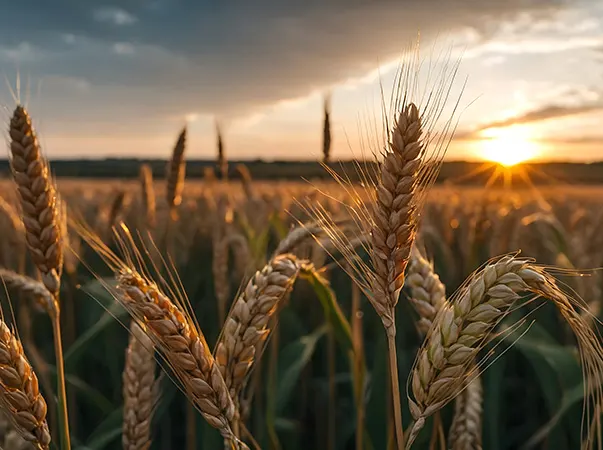
Bible Study by Earl L. HennPentecost symbolizes a major key to spiritual understanding. On this day, God sent His Holy Spirit to His church, empowering Christ's disciples to carry out the church's work. This event, marking the regeneration by the Holy Spirit, opens our understanding of God's spiritual principles and His plan for humanity. Pentecost occurs in
Pentecost's Two Leavened Loaves (Part Four)
CGG Weekly by David C. GrabbeThe Pentecost offering contains the idea of difference, while the New Testament Pentecost in Acts 2 shows differences being divinely overcome in the church. In Acts 2:1, the apostles were all of one accord and in one place. They were different people but one in purpose. Because God accepted them, He gave them the gift of the Holy S
Pentecost's Two Leavened Loaves (Part Two)
CGG Weekly by David C. GrabbePentecost underscores the meaning of generous devotion to others, as seen in Leviticus 23:22, which instructs not to wholly reap the corners of the field nor gather any gleanings from the harvest, but to leave them for the poor and the stranger. This instruction aligns with the grain offering's symbolism of giving humanity its due
Pentecost's Two Leavened Loaves (Part One)
CGG Weekly by David C. GrabbeThe unique offering on the Feast of Weeks, also known as Pentecost, serves as a parable that teaches about the Messiah. The centerpiece of this offering consists of two loaves baked with leaven, which raises a significant question since leaven universally symbolizes corruption in Scripture, yet it appears in a holy day offering. Th
Pentecost's Two Leavened Loaves (Part Five)
CGG Weekly by David C. GrabbeIn addressing the Jew/Gentile divide, the themes of the Pentecost offering are echoed in the two leavened loaves, representing converted Jews and Gentiles with significant differences. Yet, from the beginning, God's intent was to bless all the families of the earth through Abraham and his Seed, justifying those who belong to Christ

How to Count to Pentecost
Sermon by David C. GrabbeIn 1974, the Worldwide Church of God made a significant but unannounced change in how to count to Pentecost, particularly in years when Passover occurs on a Sabbath. This change mandated that the day of the Wavesheaf offering must always fall within the Feast of Unleavened Bread, differing from the earlier practice of using the wee
The Pentecost Offering
Sermonette by Richard T. RitenbaughThe observance falls on the day marking the 1,972nd Pentecost of the Christian Era, commemorating three foundational events: the giving of the Law at Sinai, the giving of the Holy Spirit in Jerusalem in 31 AD, and the founding of the Christian Church. This day identifies believers as firstfruits, part of a special early harvest des
Boaz and Pentecost
Sermon by Richard T. RitenbaughPentecost, also known as the Feast of Harvest or the Feast of Weeks, is first mentioned as a harvest festival, emphasizing the gathering of firstfruits. It marks a period of fifty days from the wave sheaf offering during Unleavened Bread, culminating in a celebration of the harvest. This day serves as a memorial to God's work in br
Pentecost, Consistency, and Honesty
Sermon by John W. RitenbaughThere is much confusion within the Church of God regarding the subject of Pentecost, especially in years like 2005 when Passover falls on a weekly Sabbath, leading to disputes over the proper counting method. This disagreement results in various groups observing Pentecost one week apart. Pentecost does not have a specific date assi

The Two Wave Loaves of Pentecost
Sermon by David C. GrabbeTomorrow marks the Feast of Weeks, also known as Pentecost, following the seventh Sabbath since the day of the Wavesheaf. In preparation for this holy day, we delve into the Scriptures to uncover its profound lessons. Pentecost is a feast to the LORD, where He is to be the central focus of our minds, glorifying Him above all symbol
Pentecost and Hope
Sermon by Richard T. RitenbaughToday is Pentecost, a day that commemorates the harvest of the firstfruits, which will happen at the time that same Son of God returns. In Israel, this harvest in early summer was a smaller harvest, particularly of wheat, which in biblical symbolism stands for the righteous, the saints. So, Pentecost reminds us of God's called-out

The Appointed Weeks of Pentecost
Sermon by David C. GrabbeTomorrow marks one of God's appointed times, a moment to set aside normal activities and glorify Him. Among the feasts commanded in Exodus 23:14-16, Pentecost, referred to as the Feast of Harvest, holds a significant place. This feast, tied to the agricultural cycle, brings the focus back to God's works and providence, reminding Hi
Pentecost - The Beginning - All in All
Feast of Tabernacles Sermon by Mark SchindlerThe day of Pentecost holds a significant place in God's great plan, reflecting His meticulous orchestration of Creation. It pictures the harvest of the first fruits, marking a pivotal moment in the unfolding of His purpose. Through the giving of the Holy Spirit on this day, the next part of God's eternal plan begins, uniting those
Peter's Pentecost Sermon
Sermon by Richard T. RitenbaughThe Day of Pentecost carries a profound message that resonates through time. On that day in AD 31, as recorded in Acts 2:1-4, when the Day of Pentecost had fully come, the disciples were gathered in one accord in one place. Suddenly, a sound from heaven, like a rushing mighty wind, filled the house where they were sitting. Divided
The Pentecost Witness
Article by David C. GrabbeThe day of Pentecost is marked by extraordinary signs and wonders. When the Holy Spirit was given, as recorded in Acts 2:1-11, the display of power amazed all who were present. A sound like a mighty rushing wind filled the air, fire appeared to rest on the apostles, and they spoke in such a way that every person heard the message i
Pentecost and the Holy Spirit
Sermon by John W. RitenbaughPentecost holds a unique and radiant significance among the holy days, likened by some to a brilliant flash of light on a gloomy day. It is seen as the central figure among the three holy day seasons, walking in the middle of Passover, Unleavened Bread, and Tabernacles, symbolizing spiritual freedom in contrast to the political and
Pentecost and the Mystery of the Church
Sermon by Mark SchindlerBrethren, we have reached the fiftieth day of God's commanded count to Pentecost, marking the conclusion of the seven-Sabbath journey. This day, occurring in late spring, symbolizes the first spiritual harvest and reveals that this is not the only day of salvation. Pentecost stands as the anniversary of God's church, the beginning
Pentecost's Two Leavened Loaves (Part Three)
CGG Weekly by David C. GrabbeThe Pentecost grain offering contains leavening, unlike the typical grain offering, and because of this, God forbids the priest from placing the loaves on the altar, as stated in Leviticus 2:11-12. As a firstfruits offering, the leavened loaves of Pentecost are presented to the LORD, but they are not burned on the altar for a sweet
Countdown to Pentecost 2001
'Personal' from John W. RitenbaughA decision was made to count to Pentecost from the Sunday within the Days of Unleavened Bread, altering the traditional approach. This change was communicated in a letter dated March 30, 1974, setting the date of Pentecost to May 26. The wavesheaf offering, though observed in or near the Days of Unleavened Bread, holds a direct sym
Pentecost: A Test?
CGG Weekly by Pat HigginsGod has set Pentecost apart from other holy days by requiring a specific count, a distinction that appears to test who will live by every word without adding to or subtracting from them. Unlike the Pharisees and Essenes, who fixed Pentecost on a calendar and disregarded the command to count, some fail this test by not adhering to t
Pentecost and Speaking In Tongues
Sermon by John W. RitenbaughThe day of Pentecost marks a significant moment in the founding of the Church of God in 31 AD, as recorded in Acts 2:1-4. When the day of Pentecost was fully come, they were all with one accord in one place. Suddenly, there came a sound from heaven as of a rushing mighty wind, filling the house where they were sitting. Cloven tongu

Peter's Trumpets Message—on Pentecost
'Prophecy Watch' by Charles WhitakerPeter connects the events of Pentecost with Joel's prophecy due to the remarkable miracle that occurred on that day in AD 31. The miracle temporarily reversed the language division imposed by God at Babel, enabling communication between the disciples, who were Galilean speakers of a substandard dialect, and a diverse audience of Je
Pentecost and the Book of Ruth
Sermon by Richard T. RitenbaughTomorrow marks the observance of Pentecost, a significant festival season during which the Jewish tradition involves reading the book of Ruth from the Megilloth, or festival scrolls. This selection is not arbitrary but holds deep relevance due to the temporal setting of Ruth's narrative, which spans from just after the Wav
Pentecost and Time
Sermon by Richard T. RitenbaughPentecost, the third holy day of the year, holds a profound connection to time and our journey toward the Kingdom as one of God's appointed times. It serves as a yearly reminder to redeem our time, for as Paul notes in Ephesians 5:16, the days are evil and our time is short. This holy day urges us to recognize the limited span of o
Pentecost and Memorial Day
CGG Weekly by Richard T. RitenbaughThe Feast of Pentecost concludes the seven-week count from the Feast of Unleavened Bread, a specific command from God that sets it apart from the determination of other holy days. This count begins amidst the Days of Unleavened Bread, when thoughts of overcoming sin and embracing righteousness are paramount, progresses through a se
The Work of the Firstfruits
CGG Weekly by Richard T. RitenbaughLeviticus 23:9-21 outlines God's instructions for the wavesheaf offering, the counting of the seven weeks, and the observance of the Feast of Weeks, known as Pentecost in the New Testament. This period from wavesheaf to Pentecost focuses on the harvest of the firstfruits, beginning with the waving of the sheaf of firstfruit barley
The Blessing of Firstfruits
CGG Weekly by John ReissThe feast known as Pentecost, derived from a Greek word meaning fifty or fiftieth day, is approaching swiftly as outlined in Leviticus 23:15-16, where God's people are instructed to count fifty days from the day after the seventh Sabbath to offer a new grain offering to the LORD. In Hebrew, this feast is called Shavuot, th
God's Spiritual Harvest
Sermon by Martin G. CollinsThe Feast of Weeks, known as Pentecost in the New Testament, holds significant importance within God's plan as outlined in Leviticus 23:15-21. This period culminates a harvest emphasizing the firstfruits of the Kingdom, beginning with the wave sheaf offering and concluding on the 50th day with special offerings. On this day, as ins
Acts (Part Three)
Sermon/Bible Study by John W. RitenbaughThe Day of Pentecost, as detailed in Acts 2, marks a significant event with unique manifestations of God's Holy Spirit. On this day in 31 AD, when the Day of Pentecost had fully come, the disciples were all with one accord in one place. Suddenly, a sound like a rushing mighty wind filled the house, and divided tongues as of fire ap
Was Joshua Required to Offer the Wavesheaf?
Sermonette by David C. GrabbeWhen the Worldwide Church of God under Herbert Armstrong began keeping Pentecost, a unique practice emerged by observing it on Monday each year, a precedent not seen in history. This practice was largely abandoned in 1974 when the WCG shifted to observing Pentecost on Sunday, introducing another new approach. This change involved t
Why Count Fifty Days?
Sermon by Richard T. RitenbaughThe day of Pentecost, as described in Acts 2, marks a significant moment when the counting of fifty days reaches its fulfillment. The term Pentecost, derived from the Greek word "pentekostos," means fiftieth, indicating an ordinal sequence. This name reflects the process of counting fifty days, a practice understood by all to deter

The Wavesheaf Offering
'Personal' from John W. RitenbaughThe observance of Pentecost is intricately connected to the wavesheaf offering, marking the culmination of the early harvest. The count to Pentecost begins with the day the ancient Israelites made the wavesheaf offering in Jerusalem, a day not designated as a holy day by God but significant in its meaning to salvation. Without what
Do You Recognize This Man? (Part Four)
Sermon by Richard T. RitenbaughOn the Day of Pentecost, also known as the Feast of Harvest, the Feast of Firstfruits, and the Feast of Weeks, the focus is on producing fruit, both in a spiritual and symbolic sense. As described in Exodus 23:14-16, this feast occurs at the end of the wheat harvest, celebrating the firstfruits of labors sown in the field. Leviticu
Let the Saints be Joyful in Glory!
Sermon by Martin G. CollinsPentecost is the Feast of Weeks fifty days after the wave sheaf offering. This period begins with the waving of the sheaf for the firstfruit barley representing Jesus Christ and ends with two loaves baked with leaven being waved before God. These loaves represent God's people the called-out ones and the elect. The waving of the fir
Is Speaking in Tongues the Only Sign?
Sermonette by Ted E. BowlingIn Pentecostalism, speaking in 'tongues' is the worshipped sign that God has accepted a person. Yet the miracle of Pentecost was not the speaking gibberish.
Patience With Growth
Sermon by Richard T. RitenbaughThe holy day of Pentecost marks the culmination of a significant spiritual harvest period, emphasizing the firstfruits of the Kingdom. It is a harvest festival, also known as the Feast of Weeks or Feast of Harvest in the Old Testament, and in the New Testament as Pentecost, meaning 'count fifty days.' This festival, detailed in Lev
Psalms: Book Two (Part One)
Sermon by Richard T. RitenbaughThe season of Pentecost, spanning fifty days, holds a significant place in the sacred year, correlating with the second book of Psalms (Psalms 42-72), Psalm 147, the book of Exodus, the book of Ruth, and the themes of harvest and preparation. This period, longer than the Passover season, begins during the Days of Unleavened Bread a
Numbering Our Days
Sermon by Richard T. RitenbaughThe Feast of Pentecost holds a unique place among the holy days, as it is not assigned a fixed date but requires counting fifty days or seven weeks from the day after the Sabbath during the Days of Unleavened Bread, as instructed in Leviticus 23:15-16. This counting always leads to a Sunday, the day after the seventh Sabbath, disti
The Very Same Day
Sermon by David C. GrabbePentecost, referred to as the Feast of Weeks, is identified as an esem day, or bone day, in Leviticus 23:21, marking it as a significant holy convocation where no customary work is to be done. This day holds importance not only for its own observance but also as a memorial of prior events. It looks back to Wavesheaf day, w
Two Loaves, Baked with Leaven
Sermonette byThe leavening indicates that the wave loaves speak to this life rather than the resurrection. It is accepted by God only because of the other sacrifices.
Principled Living (Part Six): Becoming Holy
Sermon by Richard T. RitenbaughPentecost holds a significant place in the context of being set apart and distinct from the world. This day, known as the Feast of Harvest or the Feast of Firstfruits, emphasizes the concept of being different in a positive and special way. As described in Exodus 23:16, it is the celebration of the firstfruits of one's labors sown
God's Gift of the Spirit
Sermonette by James BeaubelleCompared to the Pentecost in Acts 2, our receipt of God's Spirit was attended with far less drama. However, the power of God's Spirit is no less potent.
The Firstfruits Declaration
Sermonette by David C. GrabbeThe Israelites were to bring their first fruits to the altar in a basket and make a solemn declaration to rehearse God's deliverance and abundance.

Jesus in the Feasts (Part Two): Firstfruits
Sermon by Richard T. RitenbaughPentecost is a commanded holy day on God's sacred calendar. It ends the count of fifty days and the harvest that begins on wave sheaf day. Both wave sheaf day and Pentecost revolve around the idea of firstfruits. The wave sheaf offering is a sheaf of the barley harvest called the firstfruits of the harvest. The two wave loaves bake
Our Ultimate Purpose (2024)
Sermonette by Austin Del CastilloAs David pointed out in Psalm 139, God had His eyes on us before our birth, foreknowing the individuals He would call, predestining them into His plan.
Who Are the Firstfruits?
Sermonette by David C. GrabbeWe may take it for granted that 'firstfruits' are synonymous with 'Christians.'" However, 'firstfruits' is very general, referring to surprising things.
God's Holy Days - Our Shared Vision Of Hope
Feast of Tabernacles Sermon by Mark SchindlerGod gives careful instructions on how to make the wave-sheaf offering and how to count to the day of Pentecost. This shows that Christ is the Firstfruit to be presented before the Father. The firstfruits are presented to God. The Sabbath and Holy Days including Pentecost provide a glimpse of the hope that lies before as storms are
Beware the Leaven
Sermonette byThe Jews establishes a fixed date for Shavuot in contradiction to the instruction for counting to Pentecost. This is part of the leavening of the Pharisees.
Our Affinity to Christ (2002)
Sermon by Richard T. RitenbaughPentecost serves as an occasion to reflect upon the affinity to Jesus Christ. The Wavesheaf Offering begins the count to Pentecost. The Feast of Pentecost requires an offering of two wave loaves baked with leaven as first fruits to the Lord. These loaves symbolize the church under the old covenant and the new covenant. They represe
Psalms: Book Two (Part Three)
Sermon by Richard T. RitenbaughPentecost is thematically linked to Book Two of the Psalms. Book Two consists of thirty-one psalms summarized in Psalm 147. Pentecost is a memorial of the giving of the law and the giving of the spirit. Pentecost is called the Feast of Harvest in Exodus 23:16. It is called the Feast of Weeks in Deuteronomy 16:10-16. It is called th
The Wonderful, Powerful Gift of God's Holy Spirit
Sermon by John O. ReidPentecost occurred after Jesus had been crucified and appeared to His disciples. He breathed on them and instructed them to receive the Holy Spirit as a gift from their Father. He commanded them to wait in Jerusalem for the Promise of the Father. They returned to Jerusalem and continued with one accord in prayer and supplication. T
Faithful, Following Firstfruits
Sermon by Richard T. RitenbaughThe Feast of Pentecost is a harvest festival. This harvest festival pictures the spiritual harvest and acceptance of God's firstfruits. These firstfruits comprise the Bride of Christ and number 144,000. These are the faithful in both testaments from the very beginning. All of those who have been faithfully following the Word of God
The Spirit and the Way
Sermon by Richard T. RitenbaughPentecost is counted from the day after the Sabbath following the wave sheaf offering. Seven Sabbaths are completed and fifty days are counted to the day after the seventh Sabbath. Pentecost is kept consistently every year according to the scriptures. A correction is made only when Passover occurs on the Sabbath so that the count f
Powerful Effects of the Holy Spirit
Sermon by Martin G. CollinsPentecost is also known as the Feast of Weeks and the Feast of Firstfruits. God gives Pentecost to teach that those called now are only the firstfruits and the first to receive salvation through Christ. Pentecost teaches that all others are not yet called. Pentecost helps explain the different times when salvation will be offered t
Our Affinity to Christ
Sermon/Bible Study by Richard T. RitenbaughPentecost marks the end of the barley harvest that begins with the wavesheaf offering. The wave loaves offered then consist of fine barley that has been sifted and ground, with oil and leaven added before baking. These loaves represent people harvested as firstfruits who have undergone beating from the stocks, removal of chaff, gri
The Helper and the Angel of the Lord
Sermonette by David C. GrabbePentecost connects to the promise of the Holy Spirit given in Christ's discourse on Passover in John 16. That promise found fulfillment fifty days later on Pentecost. The language in John 14 through 16 employs figurative expressions that Christ Himself identified as such. Those expressions describe His return to the disciples as th
Themes of Ruth (Part One): Naomi
Sermon by Richard T. RitenbaughThe command to count to Pentecost appears in Leviticus 23. God instructs each individual to count seven Sabbaths from the day after the Sabbath when the wave sheaf is offered. The Hebrew word for count is saphar. This term carries meanings that include numbering, recounting events, and declaring the works and wonders of Go
"I Will Build My Church"
Sermon by Richard T. RitenbaughThe feast of Pentecost is an annual reminder of the founding of the church on that day of Pentecost in 31 AD and the giving of the Holy Spirit that empowers it to do its work and distinguishes it from any other religious organization. When the Day of Pentecost had fully come, they were all with one accord in one place. Suddenly the
Belief and the Firstfruits
Sermonette by David C. GrabbeGod has blessed the firstfruits with precious belief and knowledge which must be protected, guarded, nourished and exercised so it will not slip away.
Themes of I Corinthians (Part 7)
Sermon by Richard T. RitenbaughThe feast of Pentecost is a day that memorializes God's giving His Spirit to His disciples in the church of God. It is an appropriate time to consider the gifts of the Spirit. The first Pentecost of the New Testament Era sets the tone for its meaning to the called. In a way the symbolism changes from the physical reaping of first f
Still Producing Fruit?
Sermon by Richard T. RitenbaughPentecost focuses on the firstfruits of the wheat harvest. This feast depicts God's harvest of firstfruits when Christ returns. God has called His people to be firstfruits and to rise in the first resurrection. God calls Pentecost the Feast of Harvest. In Leviticus 23 it is called the Feast of Weeks. Pentecost is a festival celebra

The Father's Promise of Power!
Sermon by Martin G. CollinsThe Day of Pentecost, also known as the Feast of Weeks and the Feast of Firstfruits, teaches that those called now are the firstfruits, the first to receive salvation through Christ while all others remain uncalled until the appropriate time in God's plan. It explains that salvation will eventually be offered to all humanity, with
Themes of Ruth (Part Three): Redemption
Sermon by Richard T. RitenbaughPentecost is the day of the Feast of Weeks. The command in Leviticus requires counting fifty days from the wave sheaf offering. Two wave loaves of fine flour baked with leaven are offered as firstfruits to the Lord along with burnt offerings, a sin offering, and peace offerings. The loaves are waved before the Lord and are holy to
Spiritual Maturity
Sermon by Richard T. RitenbaughPentecost is presented as the Feast of Harvest and the Feast of Weeks, observed by counting fifty days from the wave sheaf offering to produce two leavened wave loaves as firstfruits holy to God. These offerings link the initial acceptance of the first of the firstfruits on Wavesheaf Day with the later harvest of additional firstfr